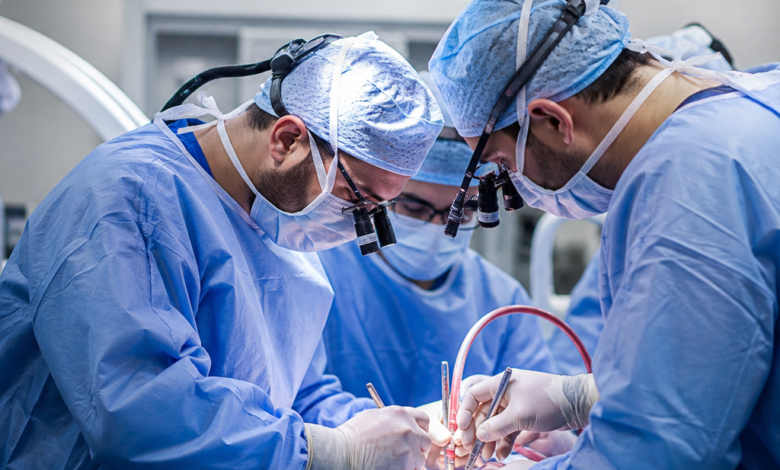
Cardiac surgery has evolved dramatically over the past few decades, transforming from high-risk procedures with uncertain outcomes into sophisticated interventions that save millions of lives annually. The field continues to advance at a remarkable pace, driven by technological innovation, refined surgical techniques, and a deeper understanding of cardiovascular physiology. As healthcare systems worldwide grapple with rising rates of heart disease, the role of specialized cardiac care has never been more critical. When patients face complex cardiovascular conditions requiring surgical intervention, choosing an experienced heart surgeon becomes a decision that can fundamentally alter their health trajectory and quality of life.
The Evolution of Cardiac Surgical Techniques
Modern cardiac surgery bears little resemblance to its early iterations. Where once open-heart procedures required extensive incisions, prolonged recovery periods, and significant trauma to surrounding tissues, today’s surgeons employ minimally invasive approaches that reduce complications and accelerate healing. Robotic-assisted surgery, for instance, allows for precision that the human hand alone cannot achieve, enabling surgeons to perform delicate valve repairs and coronary artery bypass grafting through incisions measured in centimeters rather than inches.
The integration of imaging technology has fundamentally changed preoperative planning and intraoperative decision-making. Three-dimensional echocardiography, CT angiography, and advanced MRI protocols provide surgeons with detailed roadmaps of cardiac anatomy before the first incision is made. This level of preparation translates directly into improved outcomes, as surgeons can anticipate anatomical variations and potential complications well in advance.


See also: 186.11 Common IP Address Error
Understanding Common Cardiac Surgical Interventions
Coronary artery bypass grafting remains one of the most frequently performed cardiac procedures worldwide. This intervention addresses blockages in the coronary arteries by creating new pathways for blood flow, using vessels harvested from other parts of the body. The procedure has been refined to the point where many patients can now undergo off-pump bypass surgery, eliminating the need for cardiopulmonary bypass machines and reducing associated risks.
Valve repair and replacement procedures have similarly benefited from technological advancement. Transcatheter aortic valve replacement (TAVR) now offers a less invasive alternative for patients who once would have required open-heart surgery. This catheter-based approach threads a replacement valve through blood vessels to the heart, expanding treatment options for elderly patients and those with multiple comorbidities who face elevated surgical risk.
The Multidisciplinary Approach to Cardiac Care
Contemporary cardiac surgery operates within a broader ecosystem of cardiovascular care. Cardiologists, cardiac surgeons, anesthesiologists, perfusionists, and specialized nurses collaborate throughout the patient journey, from initial diagnosis through long-term follow-up. This team-based model ensures that each patient receives comprehensive evaluation and that treatment plans reflect input from multiple specialties.
Preoperative optimization has emerged as a critical component of successful surgical outcomes. Patients undergo thorough assessment of cardiac function, pulmonary capacity, renal function, and overall physiological reserve. Risk stratification tools help clinical teams identify patients who may benefit from additional preparation or alternative treatment strategies. For those undergoing complex procedures, prehabilitation programs that include physical conditioning, nutritional optimization, and psychological support have demonstrated measurable improvements in postoperative recovery.
The Impact of Surgical Volume and Specialization
Research consistently demonstrates that surgical outcomes correlate with both individual surgeon experience and institutional volume. Centers that perform high volumes of specific cardiac procedures develop refined protocols, specialized nursing expertise, and systems for managing complications that translate into better patient outcomes. This relationship between volume and quality has influenced healthcare policy in many countries, with some systems steering complex cases toward designated centers of excellence.
Subspecialization within cardiac surgery has intensified as the field has matured. Some surgeons focus exclusively on coronary revascularization, while others specialize in valve surgery, aortic procedures, or congenital heart disease corrections. This narrow focus allows surgeons to develop exceptional proficiency in specific techniques and stay current with rapidly evolving approaches within their subspecialty. Understanding the broader landscape of medical specialization, including regulatory frameworks that govern healthcare practice, provides important context for how surgical specialties develop and maintain standards.
Long-Term Outcomes and Quality of Life Considerations
Survival rates represent only one dimension of successful cardiac surgery. Quality of life outcomes, functional capacity, and freedom from recurrent cardiac events provide a more complete picture of surgical success. Long-term studies tracking patients for years after surgery reveal that many individuals achieve substantial improvements in exercise tolerance, symptom burden, and overall well-being compared to their preoperative baseline.
Cardiac rehabilitation programs play an essential role in maximizing surgical benefits. These structured programs combine supervised exercise, education about heart-healthy lifestyle modifications, and psychological support to help patients recover fully and reduce the risk of future cardiac events. Participation in comprehensive rehabilitation can reduce mortality and hospital readmissions while improving physical function and emotional health.
Career Pathways in Cardiac Surgery
The training pathway to become a cardiac surgeon represents one of the most demanding journeys in medicine. After completing medical school, aspiring surgeons must complete a general surgery residency lasting five to seven years, followed by an additional two to three years of specialized cardiothoracic surgery fellowship. Some pursue additional subspecialty training in areas such as transplantation, mechanical circulatory support, or minimally invasive techniques. According to the Bureau of Labor Statistics, physicians and surgeons, including cardiac specialists, require extensive education and training, reflecting the complexity and responsibility inherent in these roles.
The intellectual and technical demands of cardiac surgery attract individuals who thrive under pressure and possess exceptional manual dexterity, spatial reasoning, and decision-making capabilities. The field requires continuous learning, as new techniques and technologies emerge regularly. Successful cardiac surgeons balance technical mastery with compassionate patient care, recognizing that behind every operation lies a person whose life and family depend on their skill.
Centers of Excellence in Cardiovascular Care
Leading cardiovascular programs distinguish themselves through comprehensive infrastructure that extends beyond surgical expertise. These centers maintain dedicated cardiac intensive care units staffed by specialists trained in managing the unique challenges of postoperative cardiac patients. They invest in cutting-edge diagnostic and therapeutic technologies, conduct clinical research that advances the field, and participate in international registries that benchmark outcomes against the highest global standards.
Quality metrics have become increasingly sophisticated in evaluating cardiac surgical programs. Risk-adjusted mortality rates, complication frequencies, readmission rates, and patient-reported outcomes all factor into assessments of program quality. Transparent reporting of these metrics allows patients and referring physicians to make informed decisions about where to seek care for complex cardiac conditions. The best programs embrace this transparency, using data not just for marketing purposes but as tools for continuous quality improvement.
The Future Landscape of Cardiac Surgery
Looking ahead, cardiac surgery stands at the threshold of transformative changes. Regenerative medicine approaches, including stem cell therapies and tissue engineering, promise to repair damaged heart tissue rather than simply bypassing or replacing diseased structures. Artificial intelligence applications are beginning to enhance surgical planning, predict complications, and optimize treatment selection based on vast datasets that exceed human analytical capacity.
Minimally invasive and catheter-based techniques will likely continue expanding, gradually replacing traditional open surgery for an increasing array of conditions. As technology advances and surgeon expertise grows, procedures once considered experimental become mainstream treatment options. This evolution requires cardiac surgeons to be not only technical experts but also lifelong learners who adapt to changing paradigms while maintaining the clinical judgment to select the most appropriate approach for each unique patient.
The intersection of cardiac surgery with digital health technologies opens new possibilities for remote monitoring, early intervention when complications arise, and personalized recovery protocols. Wearable devices that track cardiac rhythm, activity levels, and other physiological parameters provide continuous data streams that help clinical teams optimize postoperative management and detect problems before they become critical.